Spa therapies have existed since the classical times when taking bath with water was considered as a popular means to treat illnesses. The practice of traveling to hot or cold springs in hopes of effecting a cure of some ailment dates back to prehistoric times. Archaeological investigations near hot springs in France and Czech Republic revealed Bronze Age weapons and offerings. In Great Britain, ancient legend credited early Celtic kings with the discovery of the hot springs in Bath, England.
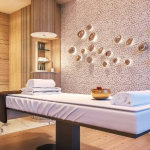
The term ‘spa’ encompasses a wide range of services and experiences, and can mean everything from a small facial and massage business to expansive destinations of pampering. The word spa was first used as far back as the eras of Ancient Greece and Rome to describe naturally occurring thermal springs. These locations of bathing and relaxation were believed to benefit health and wellbeing, and in this sense not much has changed to date. Spas remain havens of luxury; the only difference today is that they have changed shape and form to fall into various different categories.
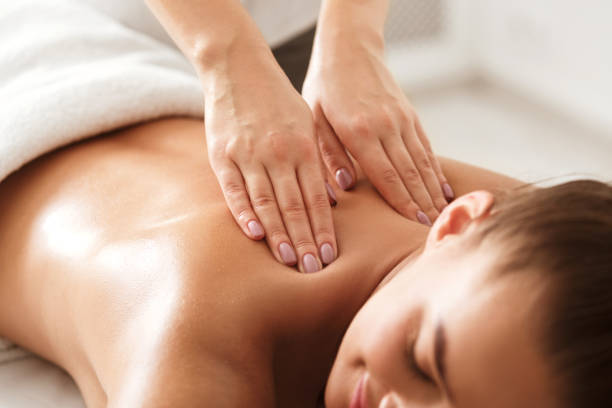
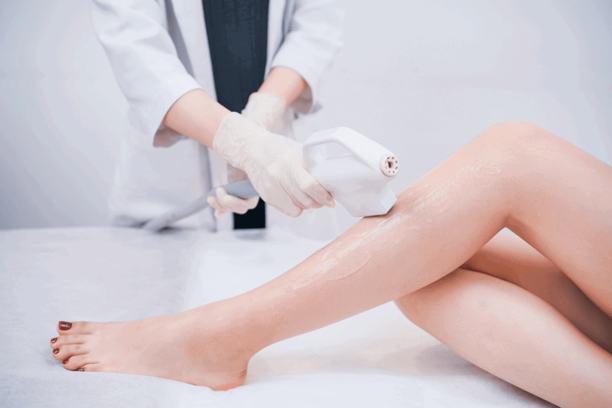
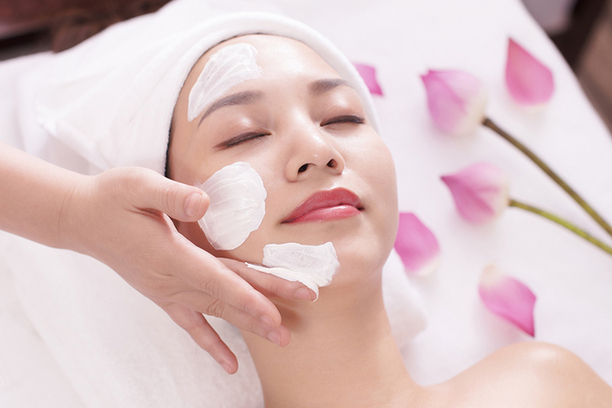
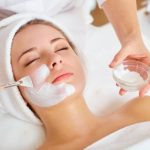
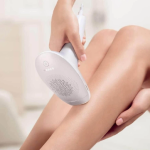
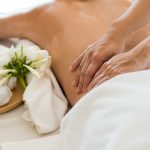
This is the spa in its most basic form, which is not to say it is any the less pampering. Usually providing facials, massages and occasionally other treatments, they also often offer salon services such as waxing, manicures and pedicures. Day Spas are the ones you will find in city centres and residential areas, providing local clientele with brief but restorative treatments and repeat appointments. In most cases you will be in and out in anything from 30 minutes to two or three hours.
These locations of bathing and relaxation were believed to benefit health and wellbeing, and in this sense not much has changed to date. Day Spas are the ones you will find in city centres and residential areas
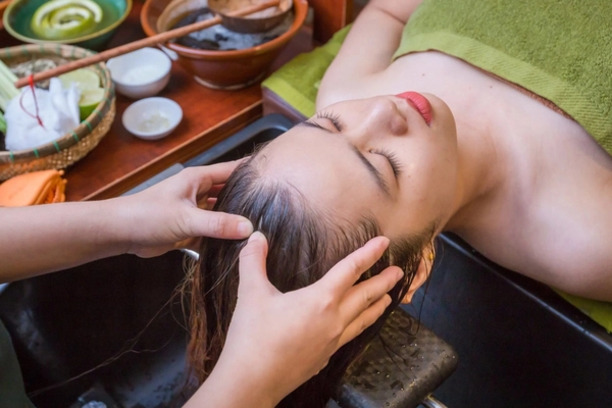
Yes, hello! The 75-minute nourishing shampoo at Beauty Spa includes shampooing and neck and shoulder massage. I will be massaged for 45 minutes and the remaining 30 minutes will be for a relaxing hair wash!
Yes, hello! The 75-minute nourishing shampoo at Beauty Spa includes shampooing and neck and shoulder massage. I will be massaged for 45 minutes and the remaining 30 minutes will be for a relaxing hair wash!
Yes, hello! The 75-minute nourishing shampoo at Beauty Spa includes shampooing and neck and shoulder massage. I will be massaged for 45 minutes and the remaining 30 minutes will be for a relaxing hair wash!
Yes, hello! The 75-minute nourishing shampoo at Beauty Spa includes shampooing and neck and shoulder massage. I will be massaged for 45 minutes and the remaining 30 minutes will be for a relaxing hair wash!
Yes, hello! The 75-minute nourishing shampoo at Beauty Spa includes shampooing and neck and shoulder massage. I will be massaged for 45 minutes and the remaining 30 minutes will be for a relaxing hair wash!